
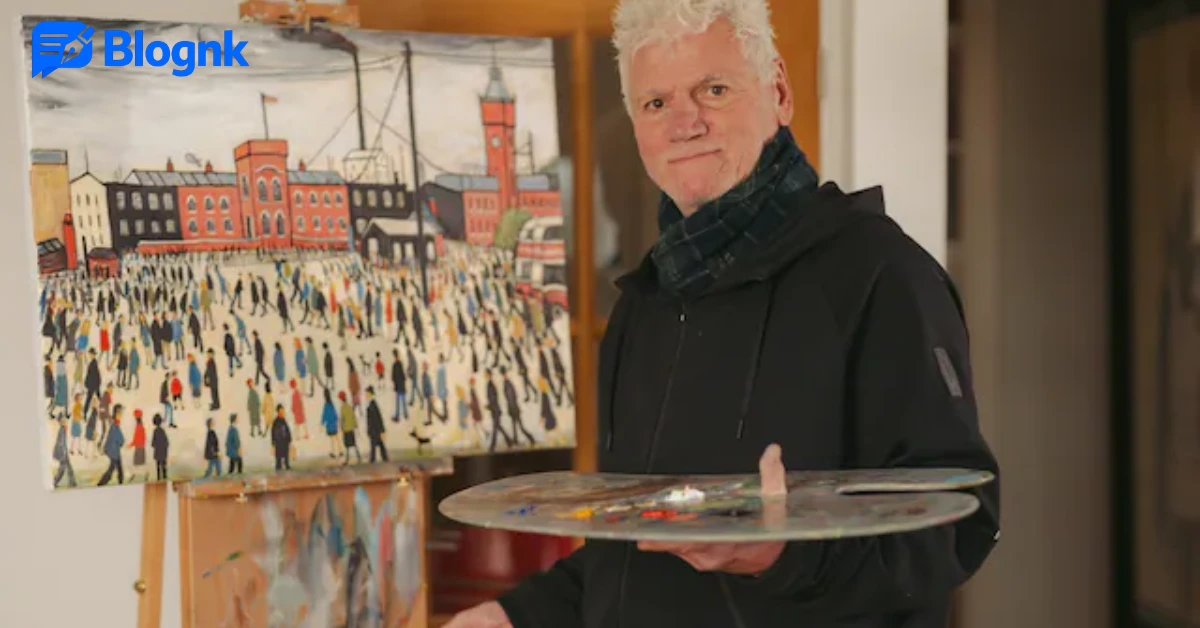
Art has always been linked with beauty, creativity, and emotion. But sometimes, it also connects with mystery and crime. One of the most talked-about names in this unusual world is David Henty. He is known for creating copies of famous paintings so real that many experts could not tell the difference.
His life story feels like something from a movie. He went from prison cells to art galleries. He moved from illegal forgery to becoming a well-known artist and public figure. Some people call him a criminal. Others call him a genius.
In this article, we will explore who David Henty is, how he became famous, why people talk about him so much, and what we can learn from his unusual journey. If you are curious about art, crime stories, or human transformation, this guide will help you understand it all in simple words.
Who Is David Henty?
David Henty is a British painter best known as a former master art forger. He became famous for creating paintings that looked almost exactly like works by world-famous artists such as Picasso, Caravaggio, and Van Gogh.
Unlike many artists, his fame did not begin in galleries. It began in the world of forgery. He created fake artworks that were sold as originals. Many buyers believed they were purchasing real masterpieces.
Later, his story became public, and instead of disappearing, his reputation grew even bigger. Today, he openly talks about his past and sells legal copies of famous artworks. His life shows how talent can be used in both wrong and right ways.
People are fascinated by him because he combines skill, crime, honesty, and reinvention in one very unusual career.
Quick Facts About David Henty
| Detail | Information |
|---|---|
| Full Name | David Henty |
| Profession | Painter, former art forger |
| Nationality | British |
| Known For | Forging famous artworks |
| Famous Artists Copied | Picasso, Caravaggio, Basquiat, Van Gogh |
| Public Image Today | Artist and media personality |
This table gives a simple overview of why David Henty is such a well-known figure.
How David Henty Entered the World of Art
David Henty did not grow up in a traditional art school environment. His early life was rough, and he learned many things through experience rather than formal education.
As a teenager, he worked with his father, who was involved in antiques. This helped him understand old objects, value, and how buyers judge authenticity. That experience later became very useful in the art world.
He learned that people often trust appearances. If something looks old and valuable, many people believe it must be real. This idea shaped much of his later career.
His talent for painting developed over time. He became especially skilled at studying brushstrokes and copying styles. Instead of creating original work, he focused on recreating the exact feel of famous masters.
That rare skill made him both admired and feared.
Why David Henty Became an Art Forger
Many people ask the same question: why would someone so talented choose forgery?
For David Henty, the answer was partly money and partly challenge. Forging famous paintings was profitable. Buyers were willing to spend huge amounts for what they believed were rare originals.
But there was also excitement. Forgery is like solving a puzzle. A forger must understand paint, canvas, age marks, signatures, and even the psychology of buyers.
David Henty became very good at this. He used old materials, period-correct pigments, and aging methods to make paintings look authentic. Some works were so convincing that they entered serious collections.
He admitted selling many forged works online, especially through eBay, before being exposed. His story became famous because of how openly he later discussed it. (Wikipedia)
Famous Artists David Henty Copied
One reason David Henty became so respected in the forgery world is the range of artists he could copy.
He did not limit himself to one style. He recreated works inspired by many legendary names.
| Artist | Style Known For |
|---|---|
| Pablo Picasso | Cubism and bold forms |
| Caravaggio | Dramatic light and shadow |
| Vincent van Gogh | Emotional brushwork |
| Jean-Michel Basquiat | Street-inspired modern art |
| Amedeo Modigliani | Long faces and elegant portraits |
Copying these artists requires deep understanding. Each painter has a unique touch. David Henty studied these details carefully and recreated them with impressive accuracy.
This level of skill is why some people see him as more than just a criminal—they see him as an expert craftsman.
The Telegraph Investigation That Changed Everything
For many years, David Henty sold forged art quietly. But things changed when journalists began investigating him.
Reports revealed that he had sold many fake paintings online. He admitted that he had created and sold these works, often suggesting they might be genuine if buyers ignored the lack of paperwork.
This public exposure could have ended his career. Instead, it changed it.
People became curious about the man behind the fake masterpieces. Instead of hiding, he used the attention to build a new legal business. He began openly selling copies and “works in the style of” famous artists.
He even joked that the publicity helped his business grow. That twist made his story even more unusual. He turned scandal into success. (Wikipedia)
David Henty and Prison Life
Before becoming widely known in the art world, David Henty spent time in prison for crimes including passport forgery and other illegal activities.
Surprisingly, prison became a major turning point in his artistic development.
During that time, he focused deeply on painting. He described learning how to mentally enter the world of the artist he was copying. He would study every detail until he could almost feel how that artist worked.
This intense focus helped him improve rapidly. Prison gave him time, silence, and discipline. While most people would see prison only as punishment, for him it also became a strange kind of art school.
That does not excuse the crimes, but it helps explain how his skills became so advanced.
His life reminds us that talent can grow even in difficult places.
David Henty in Books and Media
David Henty’s story became so interesting that writers and media producers wanted to feature him.
Author Peter James used him as inspiration for a character in the novel Picture You Dead. Henty even helped create the fake “lost painting” at the center of the story.
Peter James reportedly admired his skill and called him “the nicest villain.” That description fits the strange public image Henty has today.
He also appeared in documentaries and interviews discussing art forgery, fake Picassos, and the hidden side of the art market. These appearances helped him move from secret criminal to public personality.
Instead of hiding from his past, he made it part of his identity. That honesty is one reason many people remain fascinated by him. (Wikipedia)
Is David Henty Still Forging Art?
This is one of the biggest questions people ask.
Today, David Henty says he works legally. He sells copies, recreations, and paintings inspired by great masters rather than trying to pass them off as originals.
That difference matters.
A legal copy is sold honestly. A forgery is sold as deception. Buyers know what they are purchasing.
His paintings now attract collectors who appreciate his technical skill rather than fake history. Some people buy his work because they love the look of famous art but cannot afford originals.
He has said he is making art more accessible for ordinary people. Critics disagree, but supporters believe he found a better path.
His current career is built more on reputation than secrecy.
Lessons We Can Learn from David Henty
David Henty’s life teaches several powerful lessons.
First, talent alone is not enough. Direction matters. The same skill can build trust or destroy it.
Second, reputation can change. A person known for crime can still rebuild a life, though it takes honesty and hard work.
Third, people often believe what they want to believe. In the art world, buyers sometimes trust stories more than truth. This makes forgery possible.
Finally, passion can exist in unexpected places. Even critics admit that Henty understands painting deeply. His knowledge is real, even if his choices were controversial.
His story is not simply about crime. It is about identity, ambition, mistakes, and second chances.
That is why people keep reading about him.
Public Opinion About David Henty
Not everyone sees David Henty the same way.
Some people think he should only be remembered as a fraud. They believe forgery damages trust and hurts honest artists, collectors, and galleries.
Others see him as a brilliant craftsman who exposed weaknesses in the art market. If experts cannot spot the difference, people ask whether the system itself is broken.
There are also people who simply enjoy the story. It feels like a real-life crime drama mixed with high-level art.
| Viewpoint | What People Think |
|---|---|
| Critics | He damaged trust in art |
| Supporters | He is a genius with rare talent |
| Curious Readers | His life story is fascinating |
This mixed public opinion keeps his name relevant and widely searched online.
Why David Henty Remains Popular in 2026
Even in 2026, people still search for David Henty because his story feels timeless.
Art forgery creates natural curiosity. People love asking whether a painting is real or fake. They also love stories about hidden talent and second chances.
His open attitude helps too. He does not run from his past. He talks about it, explains it, and even uses it as part of his professional identity.
In a world where many people hide mistakes, that honesty stands out.
Also, social media and documentaries keep introducing his story to new audiences. Every new interview brings fresh attention.
He is no longer just an ex-forger. He is now part of modern art culture and conversation.
That lasting interest is why David Henty continues to attract headlines.
FAQs About David Henty
Who is David Henty?
David Henty is a British painter and former art forger known for creating highly convincing copies of famous artworks by artists like Picasso and Caravaggio.
Why is David Henty famous?
He became famous for selling forged paintings that looked like original masterpieces. Later, he became known publicly and started selling legal art copies.
Did David Henty go to prison?
Yes, David Henty spent time in prison for crimes including passport forgery and other illegal activities before becoming widely known in the art world.
Does David Henty still create fake paintings?
He says he now works legally by selling copies and artworks inspired by famous painters rather than passing them off as originals.
Which artists did David Henty copy?
He copied artists such as Pablo Picasso, Caravaggio, Vincent van Gogh, Basquiat, and Modigliani.
Is David Henty in books or documentaries?
Yes, he inspired characters in books like Picture You Dead and has appeared in documentaries and interviews about art forgery.
Final Thoughts on David Henty
David Henty is one of the most unusual figures in the modern art world. His story mixes talent, crime, risk, and reinvention in a way few people can match.
He shows how powerful skill can be—and how dangerous it becomes when used the wrong way. At the same time, he shows that change is possible. A person can leave behind one life and build another.
Some will always see him as a forger. Others will remember him as a master painter with a complicated past.
Either way, David Henty remains unforgettable.
His story makes us ask an important question: what matters more—the truth behind the painting, or the beauty on the canvas?